


When selecting materials for kitchen renovations, understanding the properties of different stones is crucial. At Granite Depot of Sevierville, we often discuss the characteristics of granite kitchen countertops in Sevierville, TN, including their porosity, especially when polished. This knowledge helps homeowners make informed decisions about their countertop choices.

What is the porosity of polished granite?
Granite is a naturally occurring igneous rock, which means it is formed from cooled lava or magma that includes a mixture of various minerals such as quartz, feldspar, and mica. These minerals give granite its unique and beautiful appearance. The structure of granite is crystalline, which inherently includes small spaces between the crystals. These spaces contribute to what we refer to as porosity.
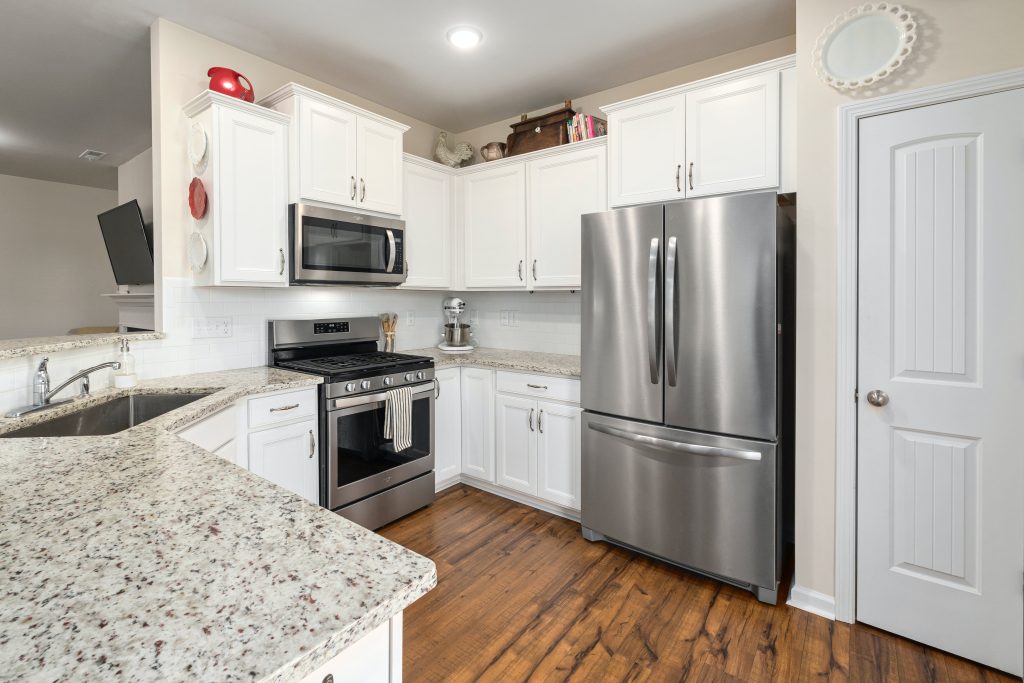
Granite kitchen countertops are known for their durability and longevity, making them a popular choice for many homeowners. However, despite its tough appearance, granite is a porous material. The level of porosity can vary depending on the exact composition of the stone and how it was formed. Generally, lighter-colored granites tend to be more porous than darker-colored ones. The porosity of granite affects its ability to absorb liquids and stains, which is a critical consideration for kitchen use.
Polishing granite is a common finishing process that not only enhances the stone’s natural beauty but also affects its porosity. Polishing the granite surface creates a shiny, glossy finish that also serves to seal some of the pores on the surface of the stone. This makes polished granite less porous compared to its honed or unpolished counterparts and subsequently more resistant to staining.
However, it’s important to note that “less porous” does not mean “non-porous.” Polished granite countertops while having a lower absorption rate due to their smooth, sealed surface, can still absorb liquids if they are left on the surface for prolonged periods. This is why sealing polished granite is recommended. Sealing the surface fills in the microscopic pores and creates a barrier that prevents liquids from seeping in and causing stains.
At Granite Depot of Sevierville, we advise our customers that while polished granite offers a more stain-resistant surface, regular maintenance is still essential. This includes wiping spills immediately, using appropriate cleaning agents, and reapplying sealant periodically based on the usage and the manufacturer’s recommendations.
By understanding the porosity of polished granite, homeowners can better maintain their countertops, ensuring that they remain a beautiful and functional part of their kitchen for years to come.
How does the finishing process affect granite’s porosity and susceptibility to staining?
The finishing process is pivotal in determining how granite kitchen countertops in Sevierville, TN, interact with everyday kitchen challenges, particularly in relation to staining and porosity. At Granite Depot of Sevierville, we ensure that our clients are well-informed about how these processes affect their granite choices.
When granite is polished, the process involves grinding and buffing the surface until it achieves a glossy, mirror-like finish. This not only enhances the stone’s natural colors and patterns but also impacts its porosity. Polishing reduces the size of the pores on the granite’s surface, thereby decreasing the stone’s overall porosity. As a result, polished granite kitchen countertops in Sevierville, TN, offer a lower risk of absorbing liquids quickly compared to unpolished surfaces.
However, it’s crucial to understand that the reduction in porosity from polishing does not render granite completely non-porous. It merely slows down the absorption rate, giving homeowners more time to clean up spills before they penetrate the surface and potentially cause stains. This characteristic makes polished granite a preferred option for many homeowners who seek both beauty and functionality in their kitchen environments.
Another finishing option is honing. Unlike polishing, which seals and smooths, honing leaves the granite with a matte finish and slightly more exposed pores. This increases the stone’s vulnerability to staining since more pores are available for liquids to seep into. Honed granite may require more frequent sealing to protect against stains, especially in high-use areas like kitchens.
At Granite Depot of Sevierville, we emphasize the importance of sealing for both polished and honed granite surfaces. Sealing involves applying a protective coating over the granite that fills in the pores and forms a barrier against staining agents. While polished granite kitchen countertops in Sevierville, TN, generally need less frequent sealing than honed ones, the actual frequency can depend on the usage, the area’s exposure to staining agents, and the quality of the sealant used.
Regular maintenance, including proper cleaning and periodic resealing, ensures that regardless of the finish, granite countertops can maintain their aesthetic appeal and functional qualities without succumbing to stains. We guide our customers through selecting the right finish based on their lifestyle and provide tailored advice on caring for their countertops to maximize the longevity and beauty of their investment.

What are the best practices for maintaining polished granite to minimize issues related to its porosity?
To maintain the beauty and durability of granite kitchen countertops, especially those that are polished, certain best practices are essential. These guidelines help minimize issues related to the inherent porosity of granite, ensuring that your countertops remain pristine and functional over time.
Firstly, regular sealing is paramount for polished granite. Despite the polishing process which reduces porosity, sealing adds an additional layer of protection against stains and moisture absorption. At Granite Depot of Sevierville, we recommend applying a sealant at least once a year, but the frequency can vary based on the usage and exposure to acidic substances. It’s crucial to choose a high-quality sealant specifically designed for granite to ensure the best protection.
Daily cleaning practices also play a critical role in maintaining polished granite. Homeowners should use a soft cloth or sponge along with a mild detergent or a cleaner specifically formulated for granite. Harsh chemicals or abrasive cleaners should be avoided as they can wear down the sealant over time and expose the porous surface of the granite. For granite countertops immediate cleanup of spills, particularly those of acidic nature like wine, coffee, and citrus juices, is advised to prevent potential staining.
Additionally, although polished granite is more resistant to scratches than other finishes, it’s wise to use cutting boards and avoid dragging heavy pots or appliances across the surface. These precautions help preserve the integrity of the polish and prevent physical damage that could exacerbate the material’s porosity.
At Granite Depot of Sevierville, we also advise our clients to periodically check the integrity of the sealant by performing a simple water test. Dropping a few beads of water on the surface can indicate the need for resealing if the water fails to bead up and instead gets absorbed into the countertop.
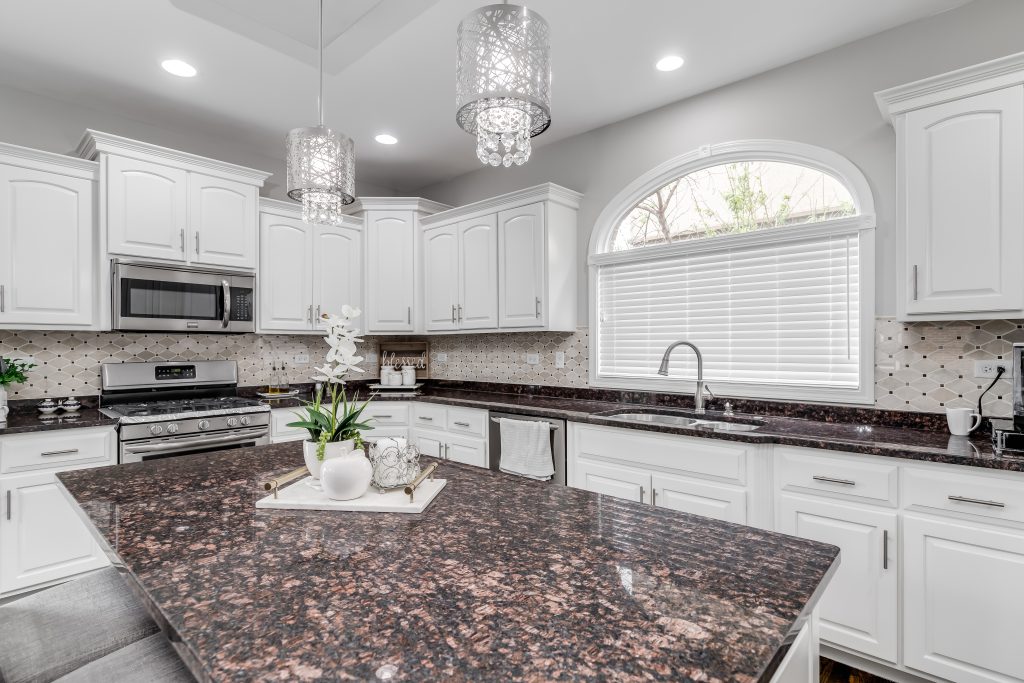
Adhering to these best practices will ensure that your granite kitchen countertops in Sevierville, TN, retain their aesthetic appeal and functional qualities. Regular maintenance, careful use, and prompt attention to spills are key to extending the life of your polished granite countertops. By following these guidelines, homeowners can enjoy the timeless beauty and robust performance of granite without undue concern over its porosity and susceptibility to damage. Granite Depot of Sevierville is committed to helping you every step of the way, from selection to installation and long-term care, ensuring your granite countertops are a worthy investment for your home.