


Sealing is a crucial step in maintaining the beauty and durability of stone countertops, helping to preserve their quality over time. Stone countertops, including granite, marble, and quartzite, are natural materials that can be porous, which means they can absorb liquids and stains if left unprotected. For homeowners with countertops in Oak Ridge, TN, understanding the benefits of sealing can make a big difference in keeping their surfaces looking pristine. Granite Depot of Sevierville offers insights into why sealing is essential and how it safeguards your investment.
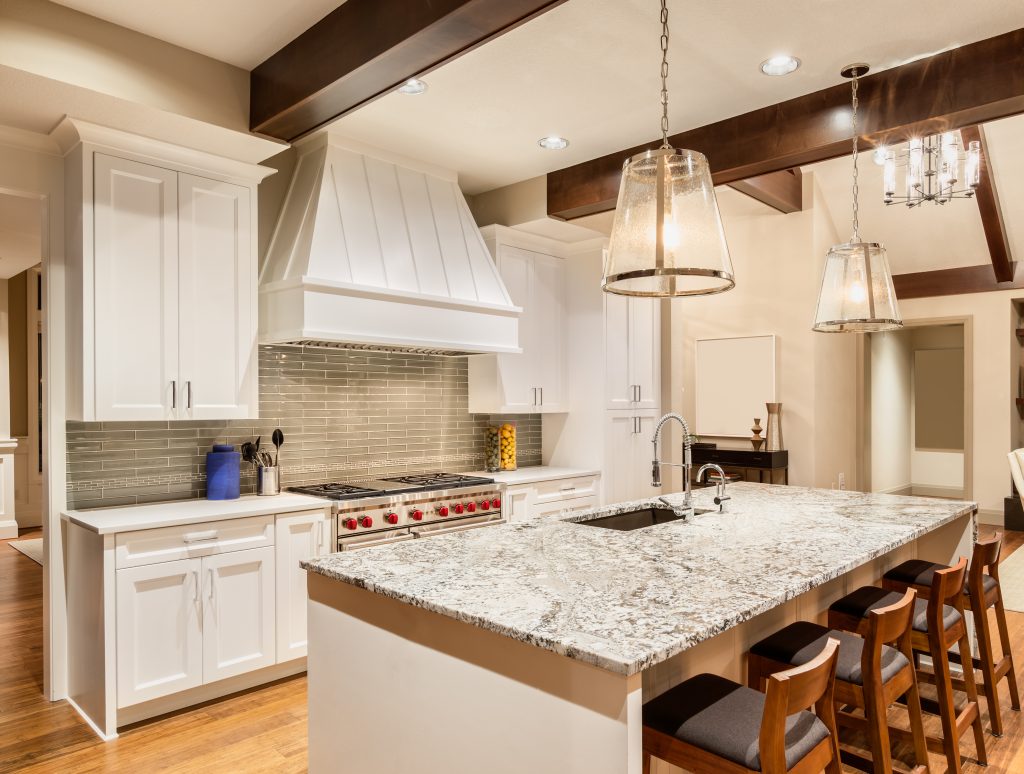
Protection Against Stains and Spills
One of the primary reasons to seal stone countertops is to protect them from stains. Porous stones like granite and marble are vulnerable to absorbing liquids, which can lead to permanent discoloration if substances like wine, coffee, or oil seep into the surface. Sealing creates a protective barrier that repels liquids, reducing the risk of stains and keeping the stone’s natural beauty intact. For high-traffic kitchens and bathrooms with countertops in Oak Ridge, TN, sealing is a valuable step in ensuring the surface can withstand everyday use without damage from accidental spills.
Guarding Against Scratches and Wear
While sealing doesn’t make stone completely scratch-proof, it does add an extra layer of protection that helps reduce minor wear and tear. A well-sealed countertop is more resistant to scratches caused by utensils, dishes, or daily activities, which helps maintain a smooth, polished look. Granite Depot of Sevierville recommends sealing for countertops in Oak Ridge, TN as an added defense to help minimize visible damage over time, especially in busy households.
Preserving Natural Color and Shine
Sealing not only protects against stains and scratches but also helps preserve the stone’s natural color and shine. Over time, exposure to water, oils, and acidic substances can dull the stone’s appearance, but regular sealing prevents these elements from penetrating the surface. By applying a sealant, homeowners can retain the vibrant color and polished finish that initially attracted them to stone countertops. For those with countertops in Oak Ridge, TN, sealing is an important maintenance step that ensures the stone remains as stunning as the day it was installed.
With proper sealing, stone countertops can maintain their beauty and functionality for years, making it a worthwhile investment for any homeowner looking to protect and enjoy their countertops.
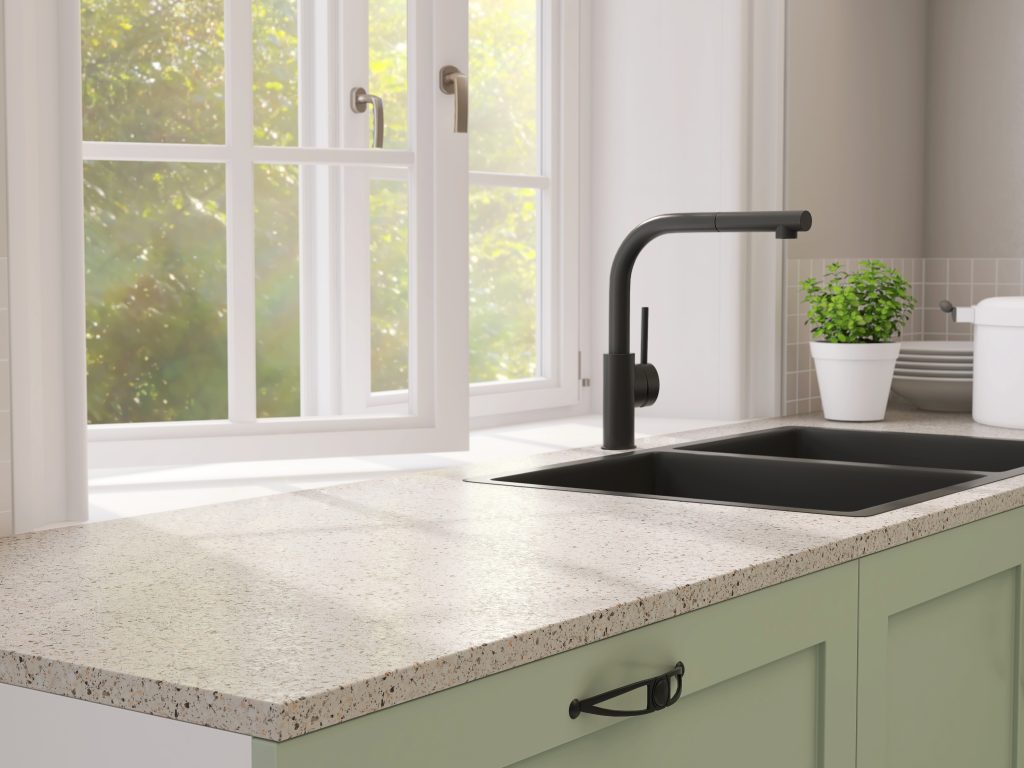
How can homeowners determine if their stone countertop needs sealing?
Knowing when to seal your stone countertop is essential for preserving its durability and appearance. For homeowners with countertops in Oak Ridge, TN, there are simple methods to check if their countertop needs sealing. Granite Depot of Sevierville provides guidance on how to identify the right time for resealing.
The Water Test for Porosity
One of the easiest ways to check if your countertop needs sealing is with a water test. Pour a few drops of water on the countertop surface and observe how the stone reacts. If the water beads up, the seal is likely still intact. However, if the water spreads out and absorbs within a few minutes, it may be time to reseal. This test is effective for identifying porosity in granite, marble, and other natural stones, and Granite Depot of Sevierville recommends it as a quick way for owners of countertops in Oak Ridge, TN to monitor their countertop’s protection.
Check for Dark Spots from Absorption
Dark spots on the countertop surface are another indicator that sealing may be required. When liquids like water, oil, or even moisture from a damp cloth leave dark marks, it means the stone is absorbing these liquids. If dark spots appear and take a long time to fade, this is a sign that the stone’s sealant layer has worn down. For homeowners with countertops in Oak Ridge, TN, noticing these dark spots can be a good reminder to reseal and protect their countertop from potential stains.
Feel the Surface Texture
Over time, the texture of the stone may change if the seal has worn away. Sealed countertops feel smooth to the touch, while unsealed stone may feel slightly rough or porous. Running your hand over the surface can help you identify any areas where the sealant may have diminished. Granite Depot of Sevierville suggests that clients perform this check periodically to maintain the smooth, polished look of their countertops and ensure continued protection.
By using these simple methods, homeowners can easily determine when their stone countertops need resealing, keeping them protected and looking beautiful for years to come.

What steps are involved in sealing a countertop, and how often should it be done?
Sealing your stone countertop is essential for protecting it from stains, scratches, and general wear. The process is straightforward but requires attention to detail to ensure a thorough application. For homeowners with countertops in Oak Ridge, TN, Granite Depot of Sevierville provides guidance on the steps involved and how often sealing should be done.
Step 1: Clean the Countertop Surface
The first step in sealing a countertop is to clean it thoroughly. Remove any dust, dirt, or residue with a gentle, pH-neutral cleaner and a soft cloth. Allow the surface to dry completely, as any remaining moisture can interfere with the sealant. This initial cleaning step ensures that the sealant bonds effectively with the stone. For countertops in Oak Ridge, TN, Granite Depot of Sevierville recommends cleaning the countertop the day before sealing to ensure it’s completely dry.
Step 2: Apply the Sealant Evenly
Once the countertop is dry, apply the sealant evenly across the surface. Most sealants come in liquid form and can be applied using a clean cloth or sponge. Work in small sections, spreading a thin, even layer over the stone. Allow the sealant to sit for the recommended time (usually 15-20 minutes) to ensure it penetrates the stone. For kitchen countertops in Oak Ridge, TN, choosing a high-quality sealant can make a difference in the durability and longevity of the seal.
Step 3: Wipe Off Excess Sealant
After allowing the sealant to absorb, wipe off any excess with a clean, dry cloth. Buffing the surface lightly will help achieve a smooth, polished finish. Be sure not to leave any residue, as it can harden and create an uneven texture. Granite Depot of Sevierville suggests a final inspection to ensure all areas have been covered and any remaining sealant has been thoroughly removed.
How Often to Reseal
The frequency of resealing depends on the type of stone and the level of daily use. Generally, granite countertops benefit from resealing every 12 to 18 months, while marble and more porous stones may require sealing every 6 to 12 months. Performing the water test periodically can help determine if resealing is necessary. For countertops in Oak Ridge, TN, Granite Depot of Sevierville recommends maintaining a regular sealing schedule to keep your stone surfaces protected and beautiful over time.