

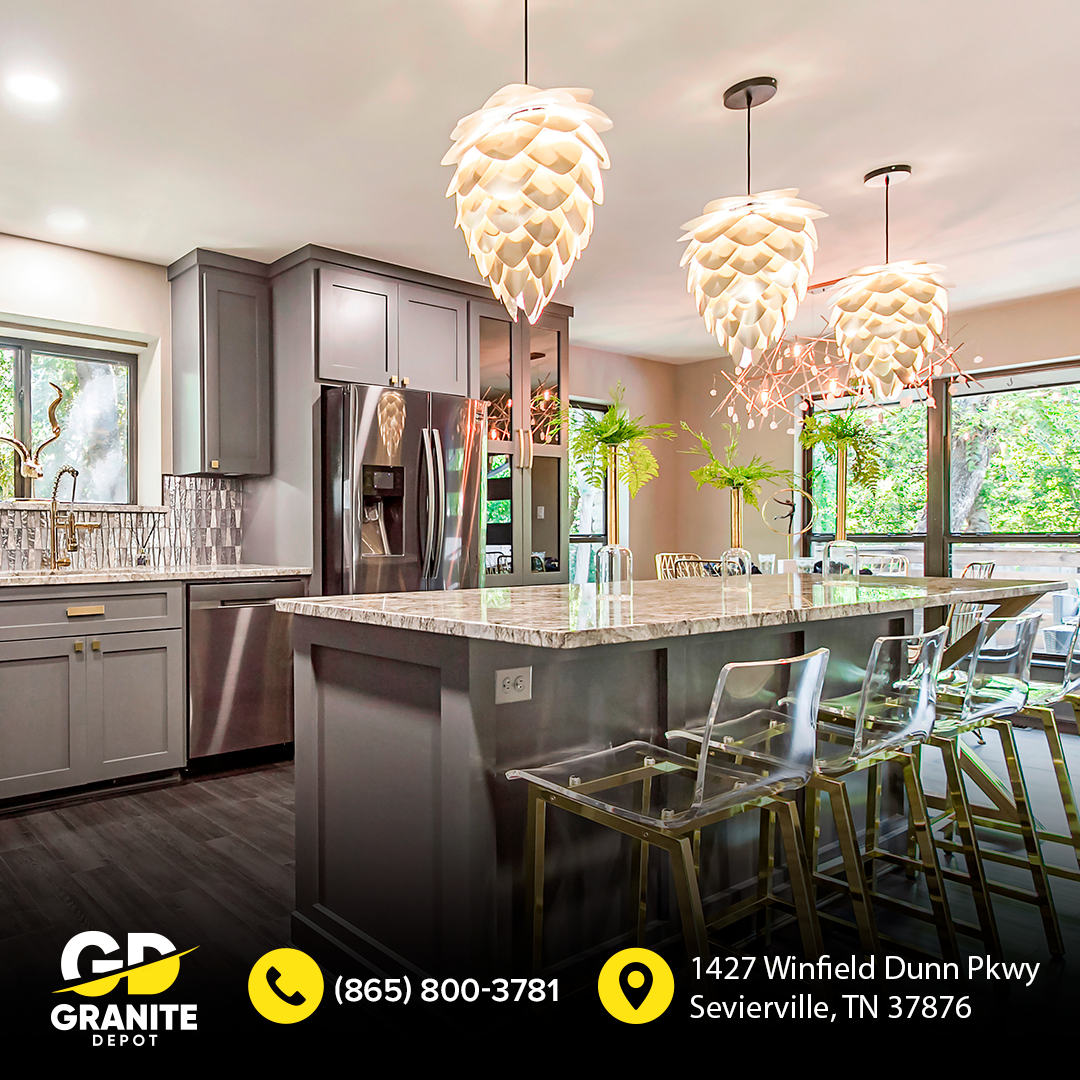
When choosing the perfect countertop material for your kitchen or bathroom, it’s essential to understand the differences between natural stone and engineered stone. While both materials are popular choices, they have distinct qualities that impact their performance and aesthetics.
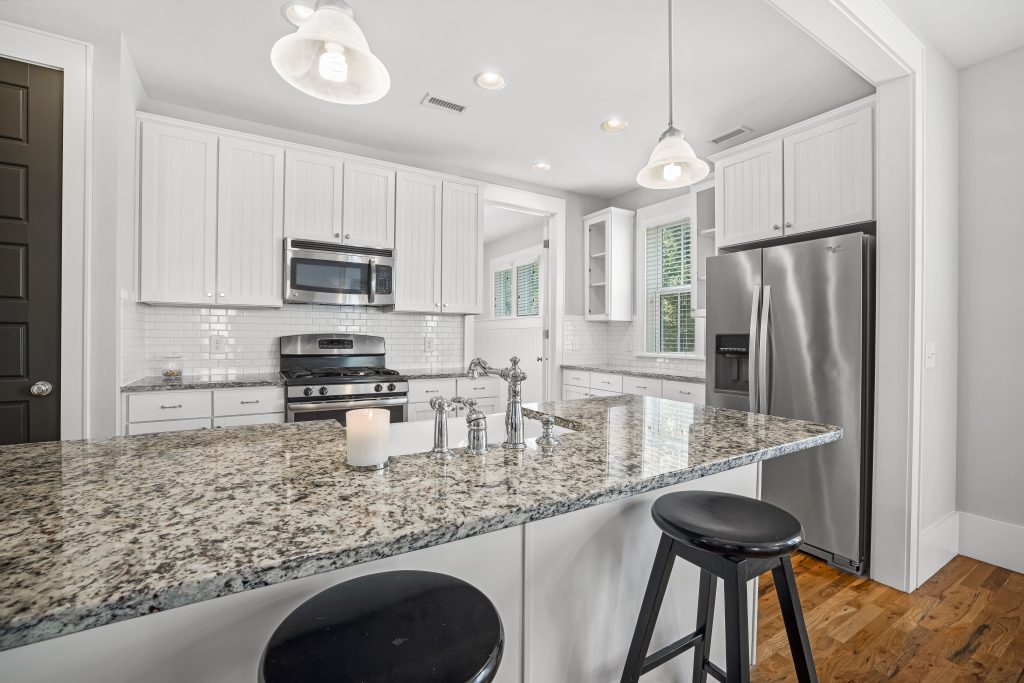
Composition of Natural Stone vs. Engineered Stone
Natural stone, such as granite and marble, is mined directly from quarries. Granite is a dense, durable stone composed mainly of quartz, feldspar, and mica, which gives it its unique speckled appearance. Granite countertop stores in Johnson City, TN, often offer a wide range of colors and patterns, all of which are naturally occurring and can be influenced by the mineral content found in each slab. Marble, on the other hand, is a softer stone, with a distinct veining pattern that varies from slab to slab.
In contrast, engineered stone, such as quartz countertops, is a manufactured product. It consists of crushed natural stone particles (like quartz) mixed with resin and pigments. This engineered process allows for a wide range of colors and patterns that are more consistent than those found in natural stone, making it easier to achieve a specific look. The surface of engineered stone is non-porous, making it more resistant to stains and easier to maintain.
Impact on Aesthetics, Performance, and Maintenance
The look and feel of these materials differ significantly. Natural stone like granite offers a timeless, elegant appearance with unique variations in pattern and color. Marble, known for its luxurious and classic appeal, is ideal for high-end, traditional designs. On the other hand, engineered stone offers a more uniform appearance, with fewer natural imperfections and more consistent patterns.
When it comes to performance, natural stone is durable, but it requires proper care and sealing to maintain its resistance to stains and moisture. Granite, in particular, is heat and scratch-resistant, but marble can be more susceptible to staining and etching. Quartz countertops, due to their non-porous nature, are low-maintenance and do not need sealing. However, quartz may not be as heat-resistant as granite, which may require more caution in the kitchen.
Whether you’re considering granite countertop stores in Johnson City, TN, or quartz countertops, both options provide significant advantages depending on your style and needs.
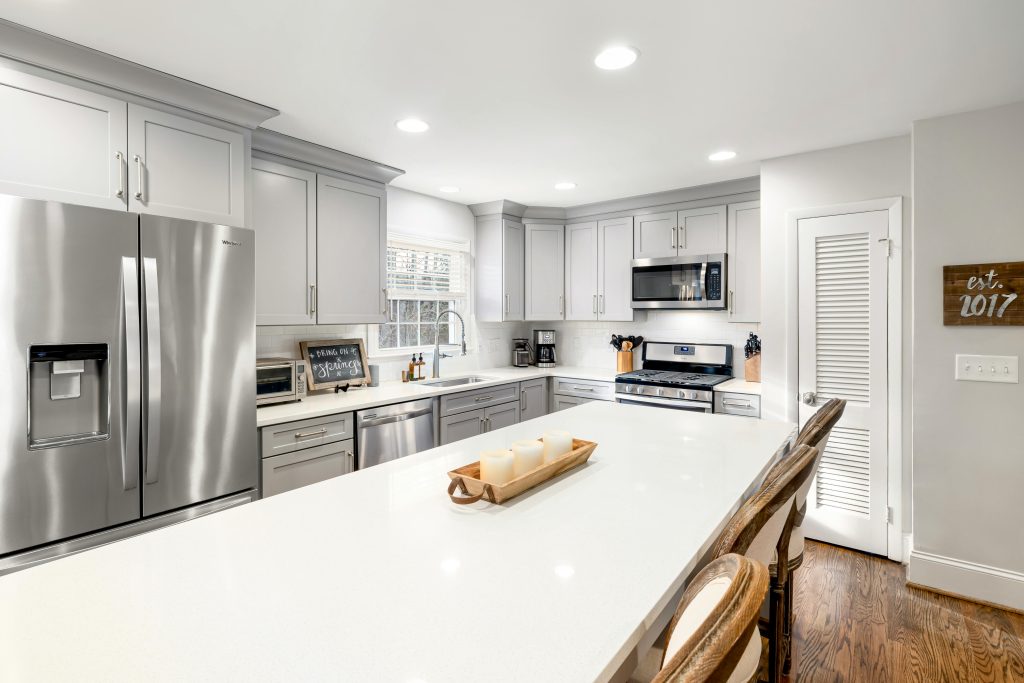
Natural Stone vs. Engineered Stone: Durability and Maintenance Compared
When it comes to choosing between natural stone and engineered stone for your countertops, understanding the durability and maintenance requirements of each material is crucial. Both granite and quartz have their unique strengths, but they differ significantly in how they perform over time and the level of care required.
Durability of Granite vs. Engineered Stone
Granite is known for its impressive durability. As a natural stone, granite offers high resistance to heat, making it an ideal choice for kitchens where hot pots and pans are commonly used. It is also scratch-resistant, which means it can withstand the wear and tear of a busy kitchen. Granite countertops offer a natural beauty with each slab displaying unique patterns and colors, adding a luxurious touch to your home. However, despite its strength, granite countertops still require sealing to prevent stains and moisture damage, as granite is a porous material. Sealing ensures the stone retains its durability and maintains its aesthetic appeal.
Engineered stone, such as quartz countertops, is an excellent alternative for homeowners who prioritize low-maintenance materials. Quartz is a manufactured stone, composed of approximately 90% natural minerals, combined with resins and pigments. This gives quartz countertops a non-porous surface that resists stains, scratches, and moisture without the need for sealing. Quartz countertops are also more uniform in appearance compared to natural stone, making it easier to achieve a specific design look. However, while quartz offers impressive durability, it is not as heat-resistant as granite, meaning homeowners should avoid placing hot cookware directly on the surface.
Maintenance and Longevity
Granite countertops require regular sealing, typically every 1 to 2 years, depending on the level of use. On the other hand, quartz countertops are virtually maintenance-free in comparison, as they do not need to be sealed. They are also easier to clean due to their non-porous surface, requiring only mild soap and water for upkeep.
In terms of longevity, both materials are long-lasting. However, with proper maintenance, granite countertops can last for decades, withstanding the daily demands of a busy kitchen.
When choosing between granite and quartz, homeowners should weigh their preferences for maintenance, durability, and the level of care each material requires.
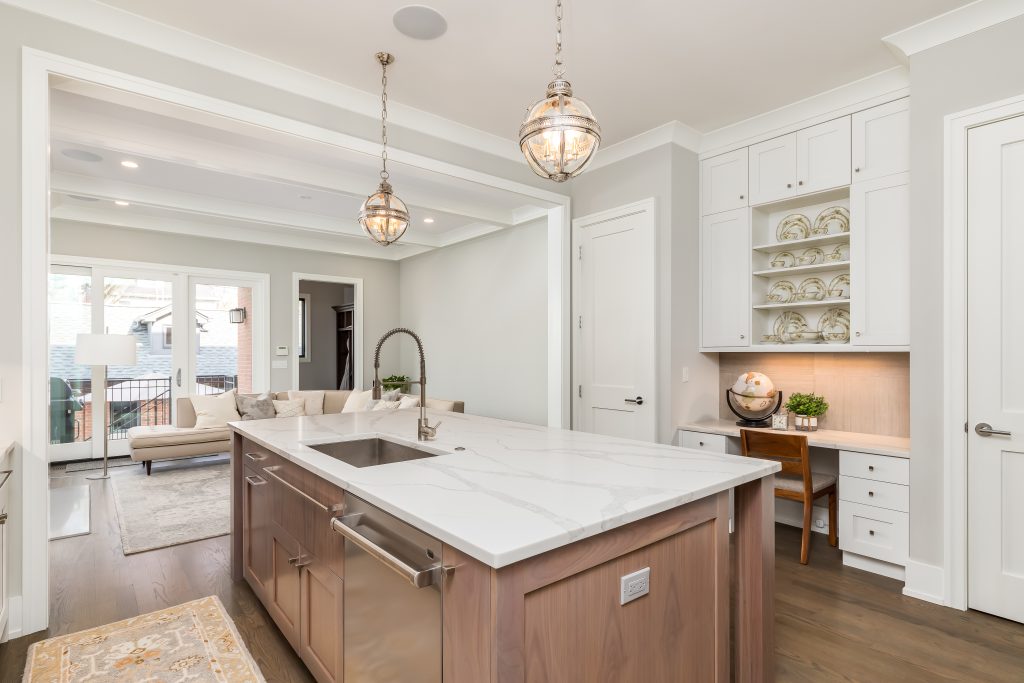
Choosing the Right Stone for Your Kitchen or Bathroom: Granite vs. Engineered Stone
When selecting the right stone for your kitchen or bathroom countertops, it’s essential to consider both the aesthetic and functional needs of your space. Granite and engineered stone, such as quartz, each offer unique advantages that make them better suited for specific applications.
Granite for Traditional and Timeless Spaces
For homeowners looking to create a classic or traditional kitchen or bathroom, granite is an excellent choice. Granite countertops offer timeless elegance and natural beauty, making them perfect for spaces that aim to achieve a sophisticated and luxurious design. The unique veins, patterns, and natural variation of granite create a one-of-a-kind aesthetic that complements traditional cabinetry, ornate fixtures, and warm tones. Additionally, granite’s durability and resistance to heat and scratches make it a great fit for high-traffic areas, ensuring it will last for years in a family kitchen or bath.
Engineered Stone for Modern, Low-Maintenance Spaces
On the other hand, if you are designing a modern kitchen or bathroom with an emphasis on low maintenance and sleek aesthetics, engineered stone like quartz countertops might be a more appropriate choice. Quartz surfaces are engineered to be non-porous, making them highly resistant to stains, moisture, and bacteria. They are ideal for homeowners who prioritize ease of cleaning and require a durable surface without the need for regular sealing, unlike granite countertops which require periodic maintenance to preserve their integrity.
Quartz also offers a wide range of colors and patterns, allowing homeowners to create a contemporary design with uniformity and precision. This flexibility is perfect for modern kitchens or bathrooms that aim for a clean, minimalist look. Whether you’re opting for an all-white, polished finish or a bold, dark color, quartz can provide a more consistent appearance than natural stone.
Considerations for Your Space
Ultimately, choosing the best material depends on your design goals. For a traditional, luxurious aesthetic, granite is an excellent option that brings warmth and richness. However, for modern, low-maintenance environments, engineered stone like quartz offers superior functionality with a sleek look. When deciding between the two, homeowners should consider their space’s style, the level of maintenance they’re willing to commit to, and the durability needed for their kitchen or bathroom.
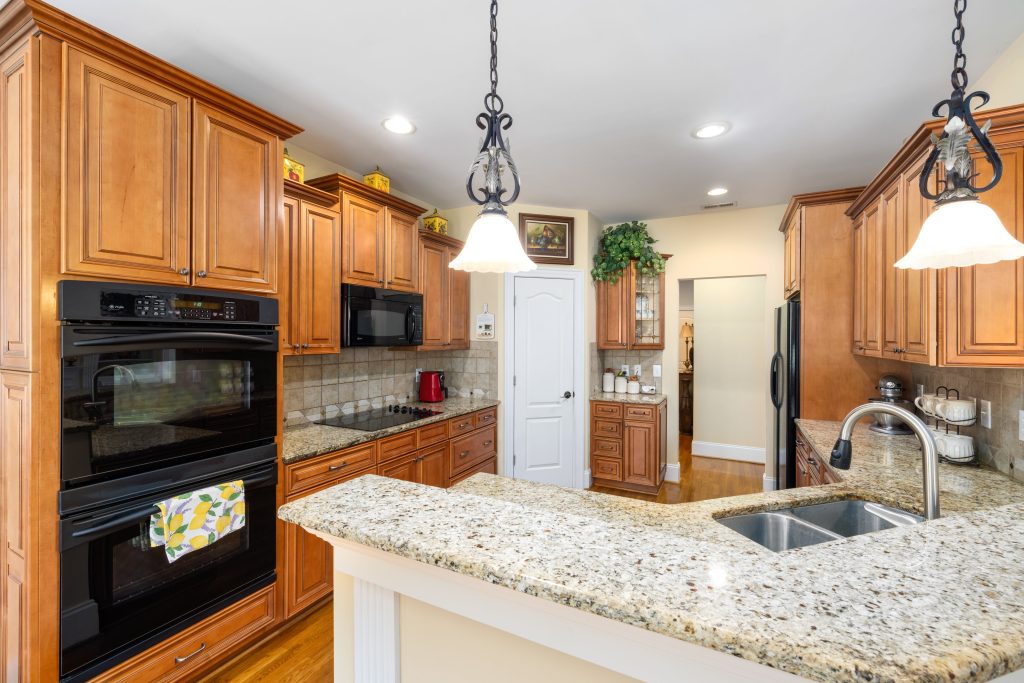
Granite Depot of Sevierville offers both granite and engineered stone options, ensuring you find the perfect countertop for your home’s unique needs. Granite countertop stores in Johnson City, TN are here to guide you through selecting the right stone to suit your style and functional requirements.