


Natural stone countertops carry a story that spans millions of years. Long before a slab becomes the centerpiece of a kitchen, it begins deep within the Earth through complex geological processes. Understanding this journey adds depth and meaning to the stone surfaces we bring into our homes. From formation under intense pressure to precision fabrication, this article explores how stone travels from the Earth’s crust to your kitchen, including popular options like granite kitchen countertops in Waynesville, NC.
Granite Depot of Sevierville works closely with high-quality stone suppliers to ensure that every countertop reflects both geological beauty and lasting performance.
How Natural Stone Is Formed Beneath the Earth’s Surface
Granite is an igneous rock formed deep underground when molten magma slowly cools and crystallizes. This gradual cooling process allows minerals such as quartz, feldspar, and mica to grow large enough to be visible to the eye. The result is a dense, durable stone with unique patterns and color variations that cannot be replicated.
Each slab of granite is a geological snapshot, shaped by heat, pressure, and time. These natural conditions determine the stone’s color, veining, and mineral composition. That is why no two slabs are ever identical, even when sourced from the same quarry. This individuality is a major reason homeowners are drawn to granite kitchen countertops in Waynesville, NC, where natural character and authenticity are highly valued.
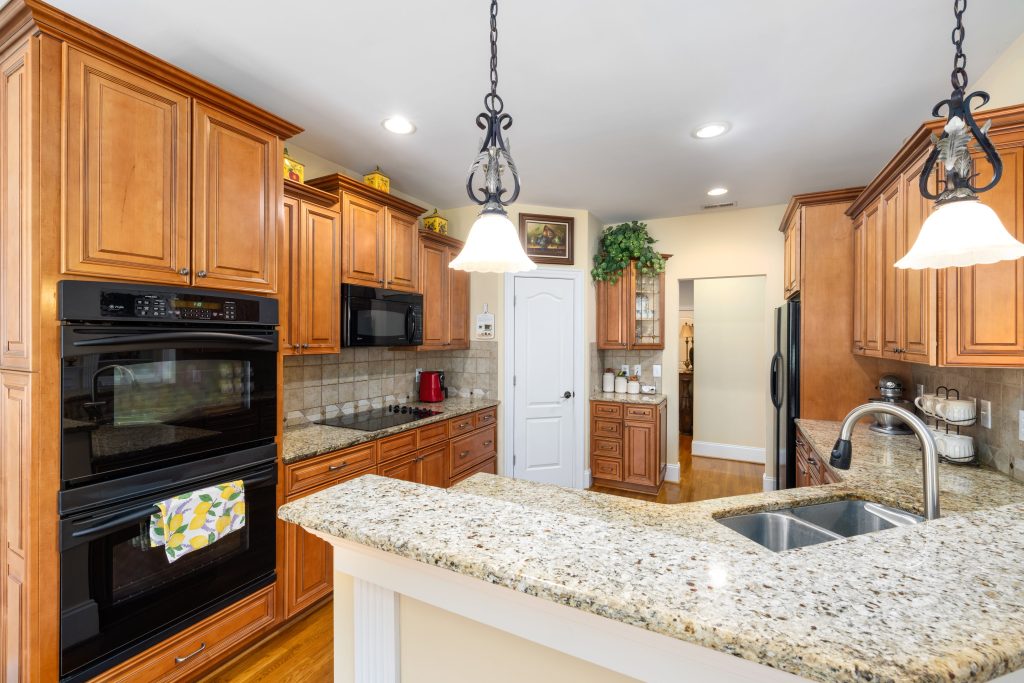
The Role of Quarries in Preserving Stone Quality
Once granite has fully formed underground, it is extracted from quarries located around the world. Quarrying is a precise process that requires careful planning to preserve the integrity of the stone. Large blocks are cut from the Earth using advanced equipment designed to minimize fractures and maintain natural structure.
After extraction, these blocks are transported to processing facilities where they are sliced into slabs. At this stage, the stone’s natural patterns become fully visible for the first time. Many homeowners selecting granite kitchen countertops in Waynesville, NC are surprised by how much variation exists within a single block of stone, making slab selection an exciting and personal experience.
Granite Depot of Sevierville prioritizes sourcing stone that meets high standards for both beauty and durability, ensuring each slab is suitable for residential use.
From Raw Slab to Refined Surface
Once granite slabs arrive at a fabrication facility, the transformation truly begins. Slabs are inspected, measured, and cut to fit the exact dimensions of a kitchen or bathroom. Skilled fabricators shape edges, cut sink openings, and polish surfaces to enhance the stone’s natural luster.
Polishing is especially important because it reveals the depth of color and crystalline structure within the stone. Light reflects differently off polished granite, highlighting mineral patterns that formed millions of years ago. This is one reason granite kitchen countertops in Waynesville, NC are often described as timeless and elegant rather than trendy.
Every step of fabrication is designed to preserve the stone’s geological character while adapting it to modern living.
Why Granite Performs So Well in Kitchens
Granite’s geological origins directly contribute to its performance as a countertop material. Formed under extreme heat and pressure, granite is naturally resistant to scratches, heat, and daily wear. This makes it an ideal surface for kitchens where durability is essential.
The density of granite also allows it to resist moisture when properly sealed. This natural strength is a direct result of the conditions under which the stone formed, making granite kitchen countertops in Waynesville, NC a practical and long-lasting investment for homeowners who value both beauty and functionality.
Granite Depot of Sevierville helps homeowners understand how proper sealing and maintenance protect the stone while preserving its natural appeal.
The Aesthetic Value of Geological Time
One of the most compelling aspects of granite is its connection to Earth’s history. Every vein, crystal, and color variation tells a story of shifting tectonic plates, cooling magma, and mineral development over vast periods of time. When installed in a home, granite becomes more than a surface — it becomes a piece of natural history.
This deep sense of authenticity is why granite kitchen countertops in Waynesville, NC continue to appeal to homeowners seeking materials that feel grounded, organic, and enduring. Unlike manufactured materials, granite does not attempt to imitate nature; it is nature.
From the Earth to Your Home
The final stage of granite’s journey is installation. Once fabricated, countertops are carefully transported and installed by professionals to ensure proper fit and long-term performance. Precision during installation protects the stone and ensures that its natural beauty is showcased to its fullest potential.
Granite Depot of Sevierville emphasizes craftsmanship at every stage, from stone selection to final installation. This attention to detail ensures that each countertop honors its geological origins while meeting modern design standards.
For homeowners exploring granite kitchen countertops in Waynesville, NC, understanding this journey creates a deeper appreciation for the material and the expertise involved in bringing it into a home.
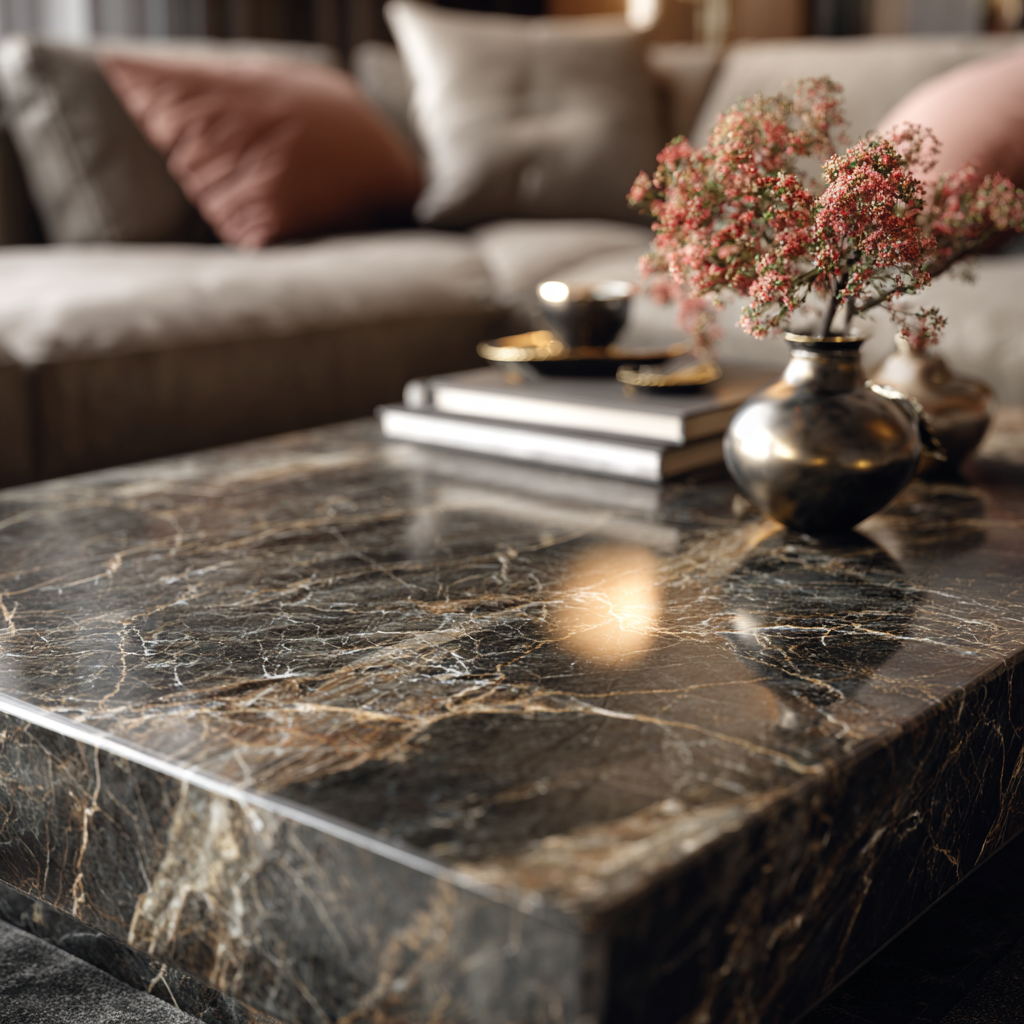
A Material Shaped by Time, Chosen for Today
Granite’s journey from deep within the Earth to a finished countertop is a testament to the power of natural processes and human craftsmanship working together. Formed over millions of years and refined through modern fabrication, granite bridges the gap between nature and design.
Choosing granite means choosing durability, individuality, and a connection to the planet’s geological history. Whether admired for its strength, beauty, or story, granite kitchen countertops in Waynesville, NC remain a timeless choice for kitchens that value authenticity and lasting quality.
Granite Depot of Sevierville is proud to help homeowners bring this remarkable material into their living spaces, transforming ancient stone into surfaces that will be enjoyed for generations to come.